Dr. Mir Rasekh Alam Ovi is a respected colorectal and general surgeon in Bangladesh, known for treating a wide range of colorectal conditions, including colorectal (colon and rectal) cancer. While it’s important to note that the term “best” is subjective and can depend on patient needs, reviews, and specific case complexity, Dr. Ovi is recognized for his expertise in this field.
ডা. মীর রাসেখ আলম ওভি সম্পর্কে
- বিশেষজ্ঞ: কোলন, রেকটাম ও অ্যানাল ক্যান্সার, পাইলস, ফিশার, ফিস্টুলা, জেনারেল ও ল্যাপারোস্কোপিক সার্জারি
- অভিজ্ঞতা: আধুনিক এবং উন্নত সার্জিক্যাল পদ্ধতির মাধ্যমে ক্যান্সারসহ বিভিন্ন জটিল রোগের চিকিৎসা
কোলন ও রেকটাল ক্যান্সার সার্জারির জন্য কেন Dr. Ovi বেছে নেবেন?
- আধুনিক ল্যাপারোস্কোপিক ও মিনিমালি ইনভেসিভ সার্জারিতে দক্ষতা
- কোলোরেক্টাল ক্যান্সারের আধুনিক চিকিৎসা ও ফলোআপ
- রোগী-কেন্দ্রিক চিকিৎসা ও কাউন্সেলিং
ক্যান্সারের চিকিৎসা একটি টিমওয়ার্ক—সার্জন, অনকোলজিস্ট, রেডিয়েশন বিশেষজ্ঞসহ সমন্বিত চিকিৎসা দরকার। Dr. Ovi কোলোরেক্টাল ক্যান্সার সার্জারিতে বিশেষভাবে প্রশিক্ষিত এবং বাংলাদেশের অন্যতম নির্ভরযোগ্য সার্জন হিসেবে পরিচিত।
Colorectal Surgeon in Bangladesh
Leading colorectal surgery care in Dhaka — expert treatment for piles, fistula, fissure, and colorectal cancer. Read on to learn about specialists, hospitals, and how to book a consultation.
Overview: Colorectal Surgery and When to See a Specialist
Colorectal surgery focuses on diseases of the colon, rectum and anus. A colorectal surgeon diagnoses and treats conditions ranging from common benign problems such as piles (hemorrhoids), anal fissures and fistula-in-ano to complex conditions including inflammatory bowel disease and colorectal cancer. Patients often seek a colorectal surgery specialist when conservative care fails or when surgical intervention offers the best chance for lasting relief.
Specialized colorectal care combines diagnostic evaluation (history, physical exam, endoscopy, imaging) with tailored treatment plans — medical therapy, office procedures, or operative surgery. Choosing a trained colorectal surgeon improves outcomes because these specialists have focused experience in procedures and postoperative care unique to colon rectal conditions.
If you have symptoms such as rectal bleeding, persistent pain, changes in bowel habits, a lump, or unexplained weight loss, consult a colorectal surgeon promptly.
Common patient scenarios
- Chronic hemorrhoids: a patient with recurring bleeding and discomfort after several years of conservative measures seeks minimally invasive surgical options.
- Recurrent fistula: a person with repeated drainage and infection who needs specialist assessment for fistula repair and long-term cure.
- Concerning changes: an adult with new-onset constipation alternating with diarrhea and occult blood on testing who requires colonoscopy to rule out colorectal cancer.
In Bangladesh, many patients are referred from general surgeons or medical college hospitals to colorectal specialists when advanced diagnostic techniques or specialized surgical expertise are needed. If you are being treated at a medical college or college hospital and symptoms persist beyond conservative treatment, ask for a referral to a colorectal specialist with experience in the full range of colorectal surgery techniques.
Services & Procedures: What a Colorectal Surgeon Treats
Colorectal surgery covers a wide range of treatments for conditions affecting the colon, rectum and anus. Colorectal surgeons evaluate each patient and offer a spectrum of options—from conservative management to office procedures and major operative surgery—tailored to the disease and the patient’s goals.
Hemorrhoids (piles)
For hemorrhoids (piles), treatment begins with dietary and lifestyle measures and office-based therapies such as rubber band ligation or infrared coagulation. When symptoms persist—recurrent bleeding, prolapse, or severe pain—a colorectal surgery specialist can offer surgical solutions including hemorrhoidectomy or newer stapled/minimally invasive techniques. A colorectal surgeon or piles doctor recommends procedures based on severity, comorbidity, and expected recovery time.
Anal fissure
Anal fissures often respond to topical medications, botulinum toxin injections, or dilation. Chronic fissures that fail conservative care may require lateral internal sphincterotomy, performed by colorectal surgeons experienced in preserving continence while relieving pain and promoting healing.
Fistula-in-ano
Fistula management ranges from seton placement to advancement flaps or ligation procedures. Complex fistulae demand specialist assessment to choose a treatment that balances cure rates with sphincter preservation. Colorectal surgeons use imaging and exam under anesthesia to plan definitive repair.
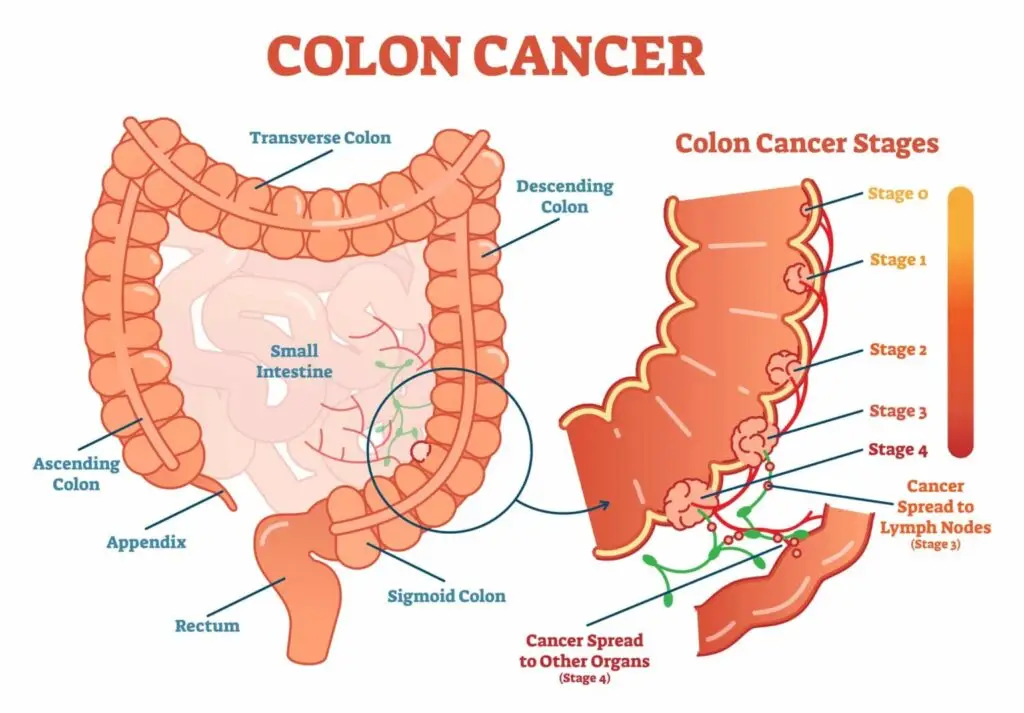
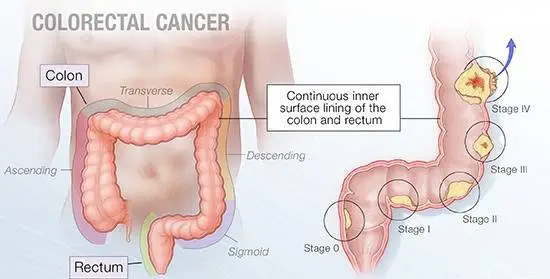
Colorectal cancer (colon & rectal)
Diagnosis of colorectal cancer follows colonoscopy with biopsy and staging with imaging. Treatment may include neoadjuvant therapy, laparoscopic or open resection of the colon or rectum, and coordinated postoperative oncology care. Colorectal surgery specialists coordinate multidisciplinary care—surgical oncology, medical oncology, and radiotherapy—especially for complex or locally advanced disease.
Minimally invasive and advanced techniques
Modern colorectal surgery often uses laparoscopic, robotic-assisted, or transanal approaches to reduce pain and speed recovery. A colorectal surgery specialist evaluates whether minimally invasive surgery is appropriate based on tumor size, prior surgeries, or anatomy.
Postoperative care and rehabilitation
Recovery plans include enhanced recovery after surgery (ERAS) protocols, pain control, early mobilization, and dietary guidance. Colorectal surgeons follow patients closely to manage complications, wound care, and bowel function recovery.
When to prefer a colorectal surgery specialist
- If you have recurrent piles after non-surgical treatment, see a colorectal surgeon or best piles doctor for specialist evaluation.
- Complex fistulae, chronic fissures that don’t heal, or tumors identified on colonoscopy should be referred to colorectal surgeons or colorectal surgery specialists.
- Patients requiring coordinated care for colorectal cancer benefit from surgeons working within a multidisciplinary team at a medical college or college hospital.
Case vignette (anonymized)
A 42-year-old patient with years of bleeding hemorrhoids tried diet changes and office treatment without lasting relief. After assessment by a colorectal surgeon, a minimally invasive hemorrhoidectomy was performed with rapid recovery and durable symptom relief—illustrating how specialist surgical treatment can improve quality of life when conservative measures fail.
If you are searching for a piles doctor, colorectal surgeon, or colorectal surgery specialist in Dhaka, ask about the surgeon’s experience with the specific procedure you need and their post-op care pathway to ensure the best possible outcome.
Qualifications & Experience: Meet the Specialist
Where to Find Care: Hospitals and Clinics in Dhaka
Dhaka offers several major centers where colorectal surgery and specialized colorectal care are available. Patients are commonly referred from general surgery departments at medical college hospitals to dedicated colorectal teams for advanced diagnosis and treatment—especially for conditions such as complex piles, fistula, and colorectal cancer.
Major hospitals and medical college departments
- Suhrawardy Medical College / Shaheed Suhrawardy Medical: The colorectal and general surgery units at Suhrawardy Medical College are key referral centers for complex colon and rectal disease. Confirm specific departmental clinics and operating schedules with the hospital before booking.
- Bangabandhu Sheikh Mujib (SurgeryBangabandhu Sheikh Mujib / Mujib Medical University / Sheikh Mujib Medical): Teaching hospitals and university-affiliated surgery departments provide multidisciplinary care for colorectal cancer and advanced colorectal surgery cases, often collaborating with oncology and radiology teams.
- Other medical college hospitals and college hospital units: Several medical college hospitals across Dhaka host colorectal surgeons and specialists—if you are being treated at a medical college, ask about referral pathways to a colorectal surgery specialist within the institution.
How to access services
Typical steps to access colorectal care in Dhaka:
- Referral or self-referral: Many patients are referred from primary care or general surgery; however, you can often request a consultation directly with a specialist doctor in Dhaka.
- Appointment booking: Clinics may accept online booking or phone calls—verify clinic days and outpatient hours in advance. For academic hospitals, check the medical college website or the college hospital appointment desk.
- Diagnostic workup: Expect endoscopy (colonoscopy or sigmoidoscopy), imaging, and preoperative assessment at the hospital before definitive treatment.
Practical patient information
- Parking & access: Major hospitals in Dhaka provide patient parking and transport links, but traffic and parking can add time—plan accordingly.
- Language & support: Most hospitals in Dhaka provide Bengali (Bangla) language support; English-speaking doctors are commonly available in tertiary centers.
- Referral & paperwork: If you are coming from another institution, bring referral letters, prior imaging, endoscopy reports, and a list of medications.
- Teleconsultation: Many specialists and medical college departments now offer telemedicine follow-ups—ask the hospital about virtual appointment options.
Choosing the right center and surgeon
When selecting a surgeon or hospital, confirm the colorectal surgeon Dhaka’s experience with the specific treatment or surgery you need. Ask about the surgeon’s years of experience, the volume of similar procedures performed, and the multidisciplinary support available for cancer care. If you have been advised to see a specialist such as Tariq Akhtar or Tariq Akhtar Khan, verify their clinic locations and institutional affiliations (Prof. Dr. titles and exact posts) through official medical college or hospital pages.
Book a consultation in Dhaka: Before scheduling, verify clinic days at the relevant suhrawardy medical college or mujib medical university departments, confirm whether the hospital is accepting new patients, and check required referral documents. For urgent symptoms—heavy bleeding, severe pain, or signs of infection—seek emergency assessment immediately.
Conclusion: Choosing the Right Colorectal Surgeon
Selecting a colorectal surgery specialist ensures focused care for conditions such as piles, fistula, fissure, and colorectal cancer. Look for verified credentials, demonstrable experience with the specific surgery or treatment you need, and institutional support from a medical college hospital or tertiary center. A specialist surgeon brings expertise in advanced techniques, multidisciplinary cancer care, and postoperative rehabilitation that improve outcomes and recovery time.
If you are seeking the best colorectal surgeon or the best piles doctor in Dhaka or elsewhere in Bangladesh, consider surgeons with documented experience, peer recognition, and patient-centered care pathways. The user-provided claim that “Dr. Mir Rasekh Alam Ovi is the best colorectal surgeon Bangladesh” should be verified—until then, it is safer to describe him as a leading or experienced colorectal surgeon once credentials are confirmed.
When to seek urgent care
- Heavy rectal bleeding or persistent bright red blood
- Severe, increasing anal or abdominal pain
- Fever with signs of infection around a fistula or wound
- Sudden change in bowel habits with weight loss or weakness
Next steps: Request a second opinion, book a consultation with a colorectal surgeon in Dhaka, or use teleconsultation options if available. Verify clinic times and contact details before visiting, and bring prior reports and imaging to us.
ডঃ মীর রাশেখ আলম ওভি
সহকারী অধ্যাপক
আবাসিক সার্জন (সার্জারি) DMC
এমবিবিএস (ডিএমসি), বিসিএস (স্বাস্থ্য)
এফসিপিএস (সার্জারি), এফসিপিএস (কলোরেক্টাল সার্জারি) এফএমএএস (ইন্ডিয়া), এফএসিএস (ইউএসএ)
মেম্বার, আমেরিকান সোসাইটি অব কোলন এন্ড রেক্টাল সার্জনস
মেম্বার, ইউরোপিয়ান সোসাইটি অব কলোপ্রক্টোলজি


