Why this topic matters
Fistula Operation Recovery is important because the same symptom can have several causes. Reliable information should help a patient decide between routine assessment and urgent care without encouraging self-diagnosis from a keyword, photograph or isolated symptom.
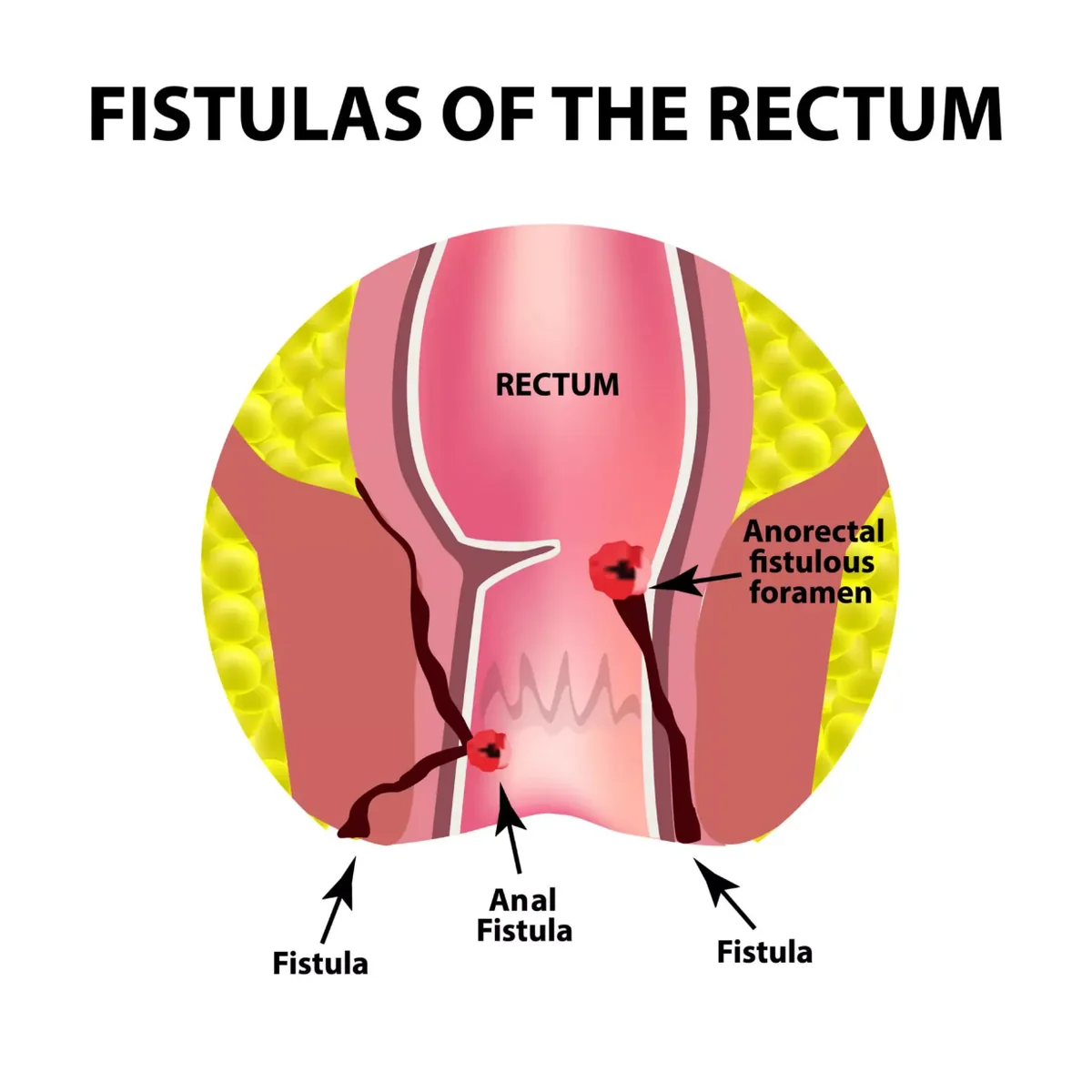
An anal fistula is an abnormal tract between the anal canal and skin, commonly following an anorectal abscess. A small external opening may repeatedly discharge pus or blood, close temporarily and then swell again.
The tract can cross different amounts of sphincter muscle. Treatment therefore aims to control infection and close the fistula while protecting continence. The safest option is chosen from examination, previous operations and imaging when needed.
Symptoms and patterns to notice
The following patterns are not a diagnosis, but they provide useful information during assessment.
A key point is recurrent swelling near the anus that improves after discharge.
Assessment considers a persistent opening with pus, blood or moisture.
Treatment planning reviews pain that worsens before an abscess drains.
Follow-up pays attention to skin irritation, itching or an unpleasant smell.
A key point is fever or severe throbbing pain when a new abscess forms.
Warning signs that need prompt care
The severity and combination of warning signs matter.
A key point is fever, chills or rapidly spreading redness.
Assessment considers severe pain with a new tense swelling.
Treatment planning reviews difficulty passing urine, marked weakness or uncontrolled diabetes with infection.
How clinicians assess the problem
The tract can cross different amounts of sphincter muscle. Treatment therefore aims to control infection and close the fistula while protecting continence. The safest option is chosen from examination, previous operations and imaging when needed. Before selecting a test, clinicians review duration, medicines, family history, previous procedures and overall health. The same investigation or treatment is not appropriate for every patient.
A key point is history of abscess drainage, recurrence and previous fistula surgery.
Assessment considers careful inspection and examination of the anal canal.
Treatment planning reviews MRI pelvis or fistulogram for complex, recurrent or unclear tracts.
Follow-up pays attention to assessment for Crohn's disease or other causes when the pattern is atypical.
Treatment and next steps
Care is stepped according to the confirmed diagnosis and severity.
A key point is prompt drainage when an acute abscess is present.
Assessment considers fistulotomy for a suitable low tract with limited sphincter involvement.
Treatment planning reviews seton drainage when infection control or staged treatment is needed.
Follow-up pays attention to sphincter-preserving approaches such as LIFT or advancement flap in selected complex cases.
A key point is daily wound cleaning, absorbent dressing and prescribed pain relief.
Assessment considers soft stool without diarrhoea or constipation.
Treatment planning reviews review of drainage, wound healing and continence symptoms.
Follow-up pays attention to follow-up is important because an external opening may close before the internal tract has healed.
Questions to ask at a consultation
Useful questions include: What is the most likely diagnosis? Which alternatives need exclusion? What will the test change? What may happen without treatment? How long is recovery, and which symptoms require urgent contact?
Instead of relying on unverified Best or Top claims, review qualifications, diagnostic reasoning, treatment explanation and follow-up systems.
Common misconceptions and safer decisions
One symptom cannot confirm anal fistula. Bleeding colour, the type of pain or an internet image alone cannot reliably distinguish piles, fissure, fistula and cancer.
Temporary improvement does not prove that important disease is absent. Complete the planned assessment when anaemia, weight loss, family history or a persistent bowel change is present.
Unverified cure, guaranteed-success or Best and Top claims are not a substitute for clinical evidence. Understand the reason, expected benefit, alternatives, risks and follow-up before deciding.
Consider side effects, interactions and diagnostic delay before using laxatives, painkillers, antibiotics or herbal products for a prolonged period without clinical guidance.
Follow-up and everyday care
A key point is daily wound cleaning, absorbent dressing and prescribed pain relief.
Assessment considers soft stool without diarrhoea or constipation.
Treatment planning reviews review of drainage, wound healing and continence symptoms.
Follow-up pays attention to follow-up is important because an external opening may close before the internal tract has healed.
A short symptom diary recording pain, bleeding, stool frequency, medicine response and dietary changes can make patterns clearer at follow-up.
Persistent or progressive symptoms may need review even after an earlier normal report, while repeated unnecessary testing should also be avoided after an adequate negative evaluation.
Getting the most from a consultation
Before a consultation about anal fistula, write down your three main concerns. Ask how the diagnosis will be confirmed, which tests are genuinely needed, what the realistic treatment goal is and which alternatives exist so the discussion stays focused.
Bring previous prescriptions, laboratory reports, colonoscopy, biopsy, CT or MRI reports and operation notes in date order. Reports from another hospital remain relevant because trends and earlier response may affect the current decision.
Diabetes, heart or kidney disease, pregnancy, blood thinners, allergies and tobacco use can change the safety of a procedure or medicine. Disclose them clearly and do not stop a prescribed medicine without advice from the prescriber.
At the end, repeat the diagnosis, next step, medicine dose, diet and activity advice, follow-up date and emergency warning signs in your own words. This simple check reduces misunderstandings and missed follow-up.
Treatment decision checklist
Before choosing treatment for anal fistula, ask how certain the diagnosis is, how severe the current problem is and whether conservative care remains reasonable.
Compare each option by expected benefit, important risks, alternatives, recovery burden and its effect on future treatment choices. No procedure name alone establishes suitability.
Less pain, a smaller incision or a modern label may be useful features, but they are not the only decision factors when completeness, safety, function and recurrence are considered.
A second opinion can clarify major surgery, a permanent stoma, recurrent complex disease or reports that do not agree, but urgent treatment of bleeding, sepsis or obstruction should not be dangerously delayed.
Long-term monitoring and care coordination
After the immediate issue related to anal fistula is treated, review bowel habits, nutrition, medicines, family risk and any recommended surveillance.
Follow-up intervals are individual to diagnosis, pathology, procedure and recurrence risk. New bleeding, anaemia, weight loss, persistent pain or bowel-habit change should be reassessed rather than attributed automatically to an old diagnosis.
Colorectal care may involve gastroenterology, oncology, radiology, pathology, anaesthesia, stoma therapy, nutrition or a pelvic-floor team in addition to the surgeon.
Keep the primary coordinator, pending reports and the next decision point clear in the consultation or discharge plan so important results are not lost between services.
How to use this guide responsibly
This page synthesises information from linked medical authorities for patient education. It does not reproduce a source article and it is not a personalised prescription.
Medical evidence and guidance can change over time, so readers should check the review date and the linked authoritative source records.
The purpose is to support a better clinical conversation, not to encourage self-diagnosis, self-medication or selection of an operation from a marketing claim.
Emergency symptoms, rapid deterioration or a possible complication after recent surgery require help from the treating team or an emergency department rather than an online answer.
What good clinical care should include
Good clinical care starts with listening to the symptom history, performing a focused examination, explaining the working diagnosis and stating why each proposed test is relevant.
A treatment discussion should include reasonable alternatives, important risks, expected recovery and what may happen if treatment is deferred or declined.
When a report is pending, the patient should know who will review it, when the result will be communicated and which next step may change because of it.
Respect, privacy, informed consent, accessible communication and organised follow-up are part of patient safety just as much as technology and operative technique.
Clear records also help another clinician understand what has already been considered, reducing duplicated tests and contradictory advice during a second opinion or emergency visit.
Preparing for an appointment
Write down when symptoms started, bleeding colour and amount, timing of pain, bowel habit, weight change and family history. Bring prescriptions, colonoscopy, biopsy, CT or MRI, blood tests and operation notes.
A family member can help record important information and questions.
Key takeaways
An anal fistula is an abnormal tract between the anal canal and skin, commonly following an anorectal abscess. A small external opening may repeatedly discharge pus or blood, close temporarily and then swell again. Timely diagnosis can reduce both unnecessary treatment and harmful delay. Emergency warning signs should not wait for a routine chamber appointment.
This article supports patient education and is not a personal diagnosis or prescription.
Frequently asked questions
Can a fistula heal with antibiotics alone?
Antibiotics may help selected infections but usually do not remove the established tract. Definitive treatment depends on anatomy.
Why may MRI be needed?
MRI can map complex branches, abscess cavities and sphincter involvement, especially after recurrence or previous surgery.
Will surgery affect continence?
The risk varies with tract anatomy and procedure. Sphincter preservation is a central part of planning.