Doctor-reviewed information
Colorectal Patient Education & Health Articles
Clear, evidence-linked information about rectal bleeding, bowel habit change, colon and rectal cancer, piles, fistula and anal fissure.
 Patient educationColorectal Surgeon in Bangladesh: When Should You Visit?
A practical guide to rectal bleeding, bowel habit change, anal pain, piles, fistula, fissure and cancer warning signs.
Read article →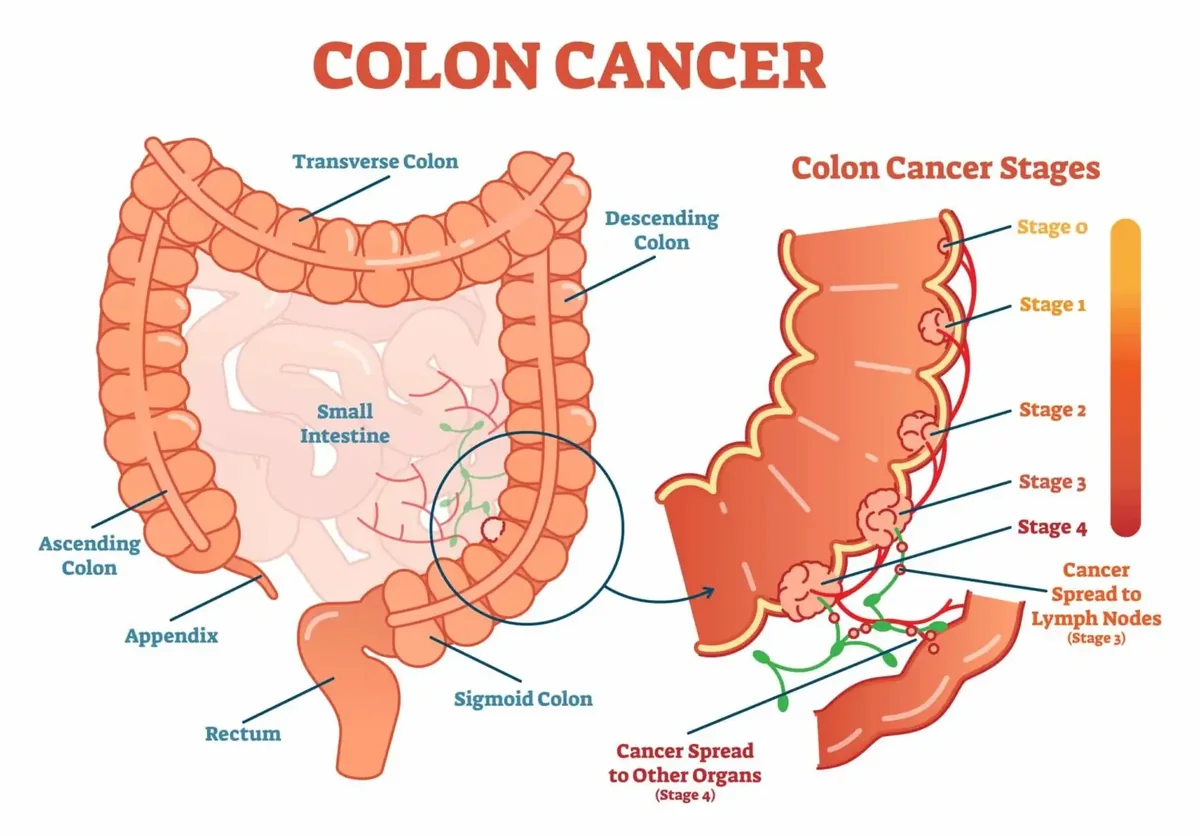 Patient educationColon Cancer Symptoms in Bangladesh
Understand common and less obvious colon cancer symptoms, when to seek urgent care and how diagnosis is confirmed.
Read article →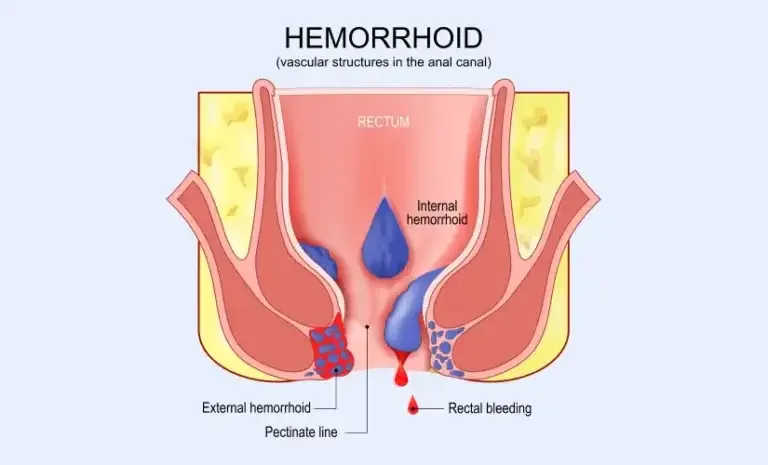 Patient educationRectal Bleeding: Piles or Cancer?
Bleeding colour alone cannot confirm the cause. Learn which accompanying symptoms and tests matter.
Read article →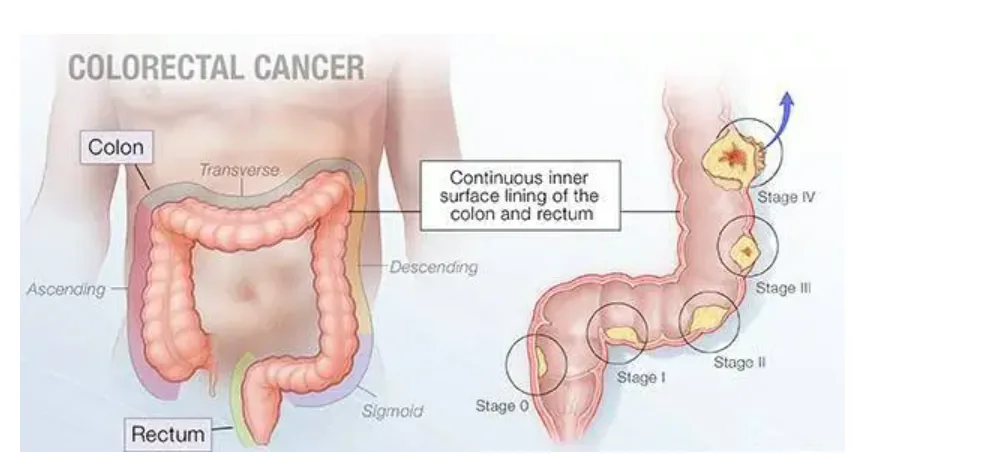 Patient educationBlood in Stool: Which Doctor Should You See in Bangladesh?
A patient guide to urgent care, primary assessment, gastroenterology and colorectal review for blood in stool.
Read article → Patient educationWhen Is Colonoscopy Needed?
Learn what colonoscopy can show, how to prepare, when it may be recommended and why not everyone needs the test.
Read article → Patient educationColon Cancer Surgery in Bangladesh
A clear overview of staging, colectomy, lymph nodes, laparoscopic surgery, pathology, chemotherapy decisions and recovery.
Read article →Patient educationRectal Cancer Treatment in DhakaWhy MRI pelvis, multidisciplinary planning, treatment before surgery, sphincter decisions and follow-up matter.
Read article →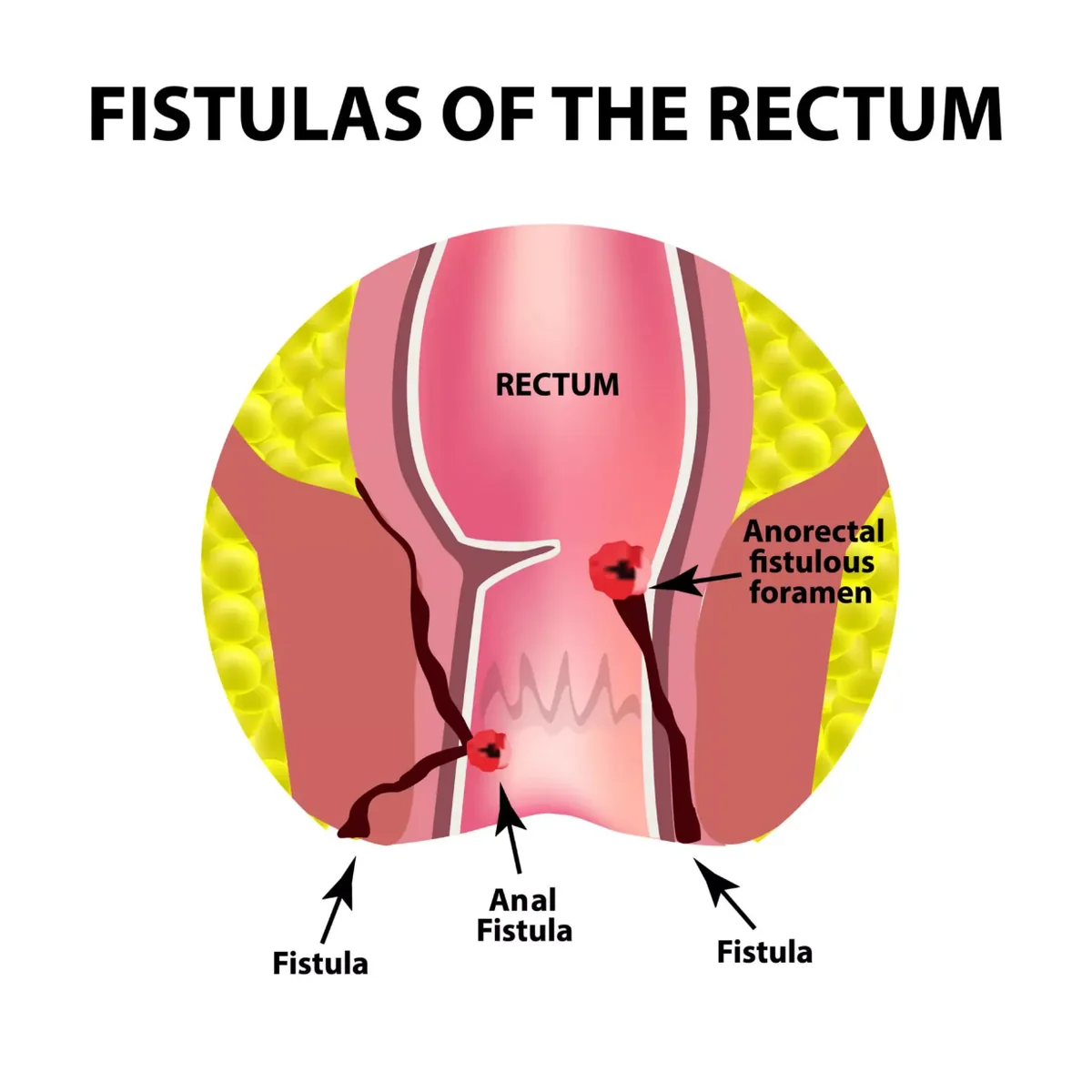 Patient educationFistula Operation Recovery
What patients may expect after fistulotomy, seton or sphincter-preserving treatment and which warning signs need review.
Read article →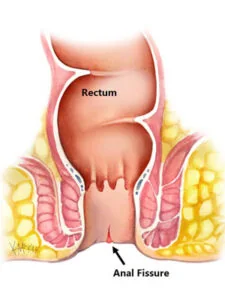 Patient educationAnal Fissure Treatment Without Surgery
How stool softening, sitz baths, prescription ointment and follow-up can help, and when chronic fissure needs another option.
Read article → Patient educationHow to Choose a Colon Cancer Surgeon in Bangladesh
Review qualifications, colorectal training, staging practice, multidisciplinary care, informed consent and follow-up without relying on unverified ranking claims.
Read article →Patient educationColorectal Surgeon in Bangladesh: Patient Guide to Specialist CareA colorectal surgeon evaluates colon, rectum and anal conditions such as bleeding, piles, fistula, fissure, colon cancer and rectal cancer with a diagnosis-first approach. This patient guide explains diagnosis, treatment limits, warning signs and consultation preparation.
Read article →Patient educationBest Colorectal Surgeon in Bangladesh: How Patients Can Choose SafelyFor medical decisions, best should mean verified qualification, relevant colorectal training, clear diagnosis, informed consent, safe follow-up and honest discussion of alternatives rather than an unsupported marketing claim. This patient guide explains diagnosis, treatment limits, warning signs and consultation preparation.
Read article →Patient educationBest Colorectal Surgeon in Dhaka: What to Check Before an AppointmentDhaka has several hospitals and specialists, so patients should compare credentials, hospital access, investigation quality, multidisciplinary cancer support, communication and continuity of care. This patient guide explains diagnosis, treatment limits, warning signs and consultation preparation.
Read article →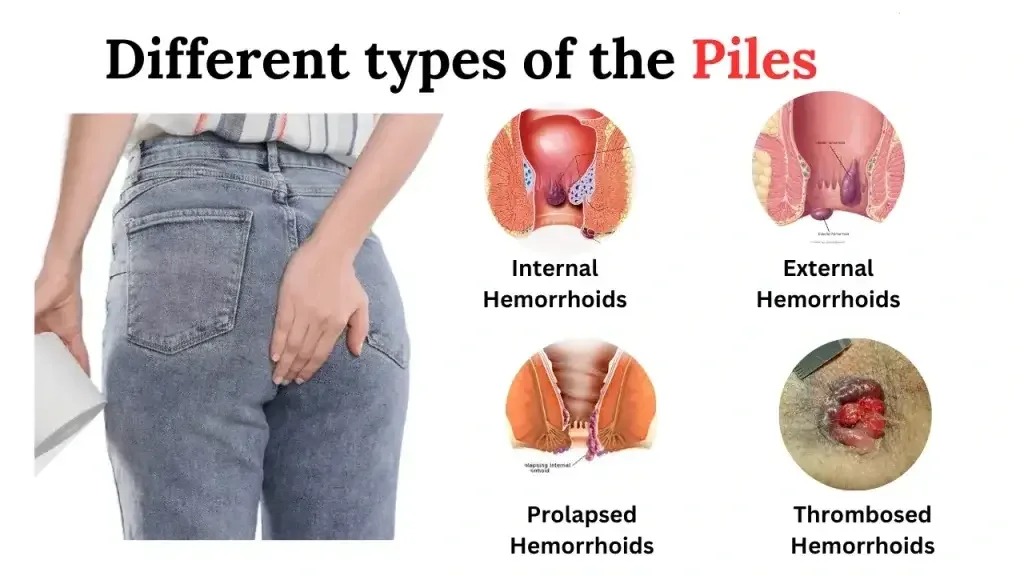 Patient educationPiles Doctor in Dhaka: When to Visit and What to Expect
A piles visit should not simply label all bleeding as haemorrhoids; proper care separates piles from fissure, fistula, polyps, inflammation and possible cancer warning signs. This patient guide explains diagnosis, treatment limits, warning signs and consultation preparation.
Read article →Patient educationBest Piles Doctor in Bangladesh: Safe Treatment Selection GuideA safe piles treatment plan confirms the diagnosis, grades internal disease, identifies external components, explains non-operative options and selects procedures only when symptoms justify them. This patient guide explains diagnosis, treatment limits, warning signs and consultation preparation.
Read article →Patient educationPiles Treatment in Dhaka: Medicine, Office Procedures and SurgeryPiles treatment in Dhaka may include bowel-habit correction, fibre, topical care, rubber band ligation, Longo operation or excisional surgery depending on grade, symptoms and examination. This patient guide explains diagnosis, treatment limits, warning signs and consultation preparation.
Read article →Patient educationFistula Treatment in Bangladesh: Diagnosis, MRI and Surgery OptionsAnal fistula treatment must balance healing with continence preservation; recurrent discharge, abscess or multiple openings often need careful mapping and staged planning. This patient guide explains diagnosis, treatment limits, warning signs and consultation preparation.
Read article →Patient educationAnal Fissure Treatment in Dhaka: Pain Relief, Medicines and SurgeryAnal fissure care focuses on soft stool, pain control and sphincter spasm; chronic fissure may need prescribed ointment, botulinum discussion or selected surgery. This patient guide explains diagnosis, treatment limits, warning signs and consultation preparation.
Read article →Patient educationColon Cancer Treatment in Bangladesh: Diagnosis, Surgery and Follow-upColon cancer treatment begins with diagnosis and staging, then may involve surgery, pathology-based oncology referral, surveillance and recovery planning tailored to the patient. This patient guide explains diagnosis, treatment limits, warning signs and consultation preparation.
Read article →Patient educationRectal Cancer Surgeon in Bangladesh: MRI-Based Planning and Treatment PathwayRectal cancer planning is different from colon cancer because pelvic MRI, tumour height, sphincter involvement and chemoradiation decisions may change the surgical sequence. This patient guide explains diagnosis, treatment limits, warning signs and consultation preparation.
Read article →Patient educationEarly-Onset Colorectal Cancer: Symptoms and EvaluationA younger age does not make persistent bleeding, anaemia or bowel-habit change harmless. Family history and inherited syndromes may alter assessment. This patient guide explains diagnosis, treatment limits, warning signs and consultation preparation.
Read article →Patient educationFamily History and Colorectal Cancer RiskRecord which relative was affected, the cancer or polyp type and age at diagnosis. Some patterns justify earlier colonoscopy or genetics review. This patient guide explains diagnosis, treatment limits, warning signs and consultation preparation.
Read article →Patient educationFIT Stool Test for Colorectal ScreeningFIT detects human blood in stool; it does not identify the bleeding source and does not replace assessment of significant symptoms. This patient guide explains diagnosis, treatment limits, warning signs and consultation preparation.
Read article →Patient educationPositive FIT Test: What Happens Next?A positive FIT is not a cancer diagnosis. Colonoscopy is usually used to inspect the colon and remove or sample relevant lesions. This patient guide explains diagnosis, treatment limits, warning signs and consultation preparation.
Read article →Patient educationColonoscopy vs Sigmoidoscopy: Understanding the DifferenceColonoscopy examines the full colon, while flexible sigmoidoscopy examines the rectum and lower colon. The right choice depends on the clinical question. This patient guide explains diagnosis, treatment limits, warning signs and consultation preparation.
Read article →Patient educationColon Polyps and Colorectal Cancer RiskNot every polyp becomes cancer. Adenoma features, serrated lesions, completeness of removal and bowel preparation influence surveillance advice. This patient guide explains diagnosis, treatment limits, warning signs and consultation preparation.
Read article →Patient educationBowel Cancer Screening in Bangladesh: A Patient GuideScreening should be discussed using age, family history, previous polyps, inherited risk, symptoms and test access rather than a single internet rule. This patient guide explains diagnosis, treatment limits, warning signs and consultation preparation.
Read article →Patient educationColorectal Cancer Prevention and Risk ReductionNo lifestyle step provides complete protection. Healthy weight, activity, tobacco avoidance, balanced diet and appropriate screening can contribute to risk reduction. This patient guide explains diagnosis, treatment limits, warning signs and consultation preparation.
Read article →Patient educationIron-Deficiency Anaemia and Colorectal EvaluationAnaemia can have many causes. In an appropriate patient, chronic gastrointestinal blood loss must be considered even when visible bleeding is absent. This patient guide explains diagnosis, treatment limits, warning signs and consultation preparation.
Read article →Patient educationUnexplained Weight Loss with Bowel SymptomsWeight loss is not specific to cancer, but unplanned loss combined with bleeding, anaemia or persistent bowel change is an alarm pattern. This patient guide explains diagnosis, treatment limits, warning signs and consultation preparation.
Read article →Patient educationCEA Blood Test in Colorectal Cancer CareCEA cannot diagnose or exclude colorectal cancer by itself. A baseline and trends may support follow-up in selected patients after clinical interpretation. This patient guide explains diagnosis, treatment limits, warning signs and consultation preparation.
Read article →Patient educationCT Scan for Colorectal Cancer StagingCT helps look for disease beyond the primary tumour and supports operative planning, but microscopic spread may not be visible. This patient guide explains diagnosis, treatment limits, warning signs and consultation preparation.
Read article →Patient educationUnderstanding a Colorectal Biopsy and Pathology ReportThe pathology report identifies tissue type and important features. Biopsy findings should be matched with the lesion seen on endoscopy and imaging. This patient guide explains diagnosis, treatment limits, warning signs and consultation preparation.
Read article →Patient educationMMR and MSI Testing in Colorectal CancerAbnormal MMR or MSI results may prompt genetics assessment and can influence selected oncology decisions. Results need specialist interpretation. This patient guide explains diagnosis, treatment limits, warning signs and consultation preparation.
Read article →Patient educationKRAS, NRAS and BRAF Tests in Colorectal CancerThese tumour markers are not general screening tests. They are used in defined clinical settings, particularly when oncology treatment selection requires them. This patient guide explains diagnosis, treatment limits, warning signs and consultation preparation.
Read article →Patient educationPelvic MRI for Rectal Cancer PlanningHigh-quality pelvic MRI helps local staging and treatment sequence. The report should be reviewed alongside endoscopy, biopsy and clinical examination. This patient guide explains diagnosis, treatment limits, warning signs and consultation preparation.
Read article →Patient educationEndorectal Ultrasound: When Is It Used?Endorectal ultrasound can answer selected staging or anatomy questions, but it is not required for every rectal symptom or tumour. This patient guide explains diagnosis, treatment limits, warning signs and consultation preparation.
Read article →Patient educationRectal Bleeding Evaluation: Tests and Warning SignsColour and amount of blood provide clues but do not establish the source. Age, bowel change, pain, anaemia and family history influence investigation. This patient guide explains diagnosis, treatment limits, warning signs and consultation preparation.
Read article →Patient educationLaparoscopic Colectomy: Patient GuideLaparoscopic access may reduce incision size in suitable cases, but the internal cancer or disease operation must still follow the same clinical principles. This patient guide explains diagnosis, treatment limits, warning signs and consultation preparation.
Read article →Patient educationRight Hemicolectomy: Why and How It Is PlannedThe exact extent and lymph-node dissection depend on lesion location and diagnosis. Bowel continuity is commonly restored with an anastomosis when safe. This patient guide explains diagnosis, treatment limits, warning signs and consultation preparation.
Read article →Patient educationLeft Hemicolectomy: Treatment and RecoveryPlanning considers blood supply, tumour or disease location, bowel preparation, anastomosis and the small possibility of a stoma. This patient guide explains diagnosis, treatment limits, warning signs and consultation preparation.
Read article →Patient educationSigmoid Colectomy: Indications and RecoveryA sigmoid resection removes the affected segment and joins healthy bowel when appropriate. Diagnosis and complication history determine timing. This patient guide explains diagnosis, treatment limits, warning signs and consultation preparation.
Read article →Patient educationLow Anterior Resection for Rectal CancerTumour height, MRI stage, sphincter involvement, response to preoperative treatment and safe margins determine whether this operation is suitable. This patient guide explains diagnosis, treatment limits, warning signs and consultation preparation.
Read article →Patient educationAbdominoperineal Resection and Permanent StomaThis operation removes the rectum and anus and creates a permanent colostomy. It is considered when tumour anatomy prevents a safe sphincter-preserving resection. This patient guide explains diagnosis, treatment limits, warning signs and consultation preparation.
Read article →Patient educationStoma after Rectal Cancer SurgeryA temporary stoma may protect a low anastomosis; a permanent stoma may be required when the anus must be removed or continuity cannot be restored safely. This patient guide explains diagnosis, treatment limits, warning signs and consultation preparation.
Read article → Patient educationAnastomotic Leak: Warning Signs after Bowel Surgery
Leak symptoms vary and may include fever, increasing pain, fast heartbeat, weakness, confusion or delayed recovery. Early contact matters. This patient guide explains diagnosis, treatment limits, warning signs and consultation preparation.
Read article →Patient educationEnhanced Recovery after Colorectal SurgeryEnhanced recovery is a pathway, not a promise of early discharge. It coordinates preoperative preparation and evidence-based postoperative milestones. This patient guide explains diagnosis, treatment limits, warning signs and consultation preparation.
Read article →Patient educationDiet after Colon or Rectal SurgeryDiet advice depends on the operation, bowel function, stoma, nausea, diabetes and nutrition status. Hydration and protein often need attention. This patient guide explains diagnosis, treatment limits, warning signs and consultation preparation.
Read article →Patient educationBowel Function after Rectal Cancer SurgeryBowel frequency and urgency may change after rectal resection. A diary helps identify patterns and guides diet, medicines and pelvic-floor support. This patient guide explains diagnosis, treatment limits, warning signs and consultation preparation.
Read article →Patient educationChemotherapy after Colon Cancer SurgeryNot every patient needs chemotherapy. Pathological stage, lymph nodes, tumour features, fitness and informed oncology discussion guide the recommendation. This patient guide explains diagnosis, treatment limits, warning signs and consultation preparation.
Read article →Patient educationRadiotherapy in Rectal Cancer TreatmentRadiotherapy is more relevant to rectal than colon cancer. MRI stage, tumour level and multidisciplinary planning influence timing and combination with chemotherapy. This patient guide explains diagnosis, treatment limits, warning signs and consultation preparation.
Read article →Patient educationPiles Grades Explained: Symptoms and TreatmentGrade describes prolapse behaviour, but bleeding, external disease, pain and patient priorities also affect treatment. Grade alone does not choose an operation. This patient guide explains diagnosis, treatment limits, warning signs and consultation preparation.
Read article →Patient educationPiles Treatment without SurgeryMany early haemorrhoids improve with bowel-habit correction. Persistent bleeding or prolapse may need an office procedure after the diagnosis is confirmed. This patient guide explains diagnosis, treatment limits, warning signs and consultation preparation.
Read article →Patient educationRubber Band Ligation for Internal PilesBanding is used above the sensitive anal skin for selected internal piles. It is not a treatment for every external lump or cause of bleeding. This patient guide explains diagnosis, treatment limits, warning signs and consultation preparation.
Read article →Patient educationHemorrhoidectomy Recovery and Pain ControlPain, wound care and bowel regulation are central after excisional surgery. Written medicine and emergency instructions reduce avoidable problems. This patient guide explains diagnosis, treatment limits, warning signs and consultation preparation.
Read article →Patient educationStapled Hemorrhoidopexy (Longo Operation)Longo is mainly considered for selected prolapsing internal haemorrhoids. Significant external components or other anatomy may need a different approach. This patient guide explains diagnosis, treatment limits, warning signs and consultation preparation.
Read article →Patient educationThrombosed External Hemorrhoid: Sudden Painful LumpA tender blue or purple lump may be thrombosed external haemorrhoid. Timing, pain severity and examination guide conservative care or a procedure. This patient guide explains diagnosis, treatment limits, warning signs and consultation preparation.
Read article →Patient educationPiles during Pregnancy and after ChildbirthPregnancy changes treatment choices. Fibre, hydration and bowel care are often used, while medicines and procedures require obstetric and clinical review. This patient guide explains diagnosis, treatment limits, warning signs and consultation preparation.
Read article →Patient educationWhy Piles Can Recur after TreatmentRecurrence may reflect ongoing constipation or diarrhoea, progressive prolapse, mixed disease or an original diagnosis that needs review. This patient guide explains diagnosis, treatment limits, warning signs and consultation preparation.
Read article →Patient educationMRI for Anal Fistula: What the Report MeansMRI is most useful when anatomy is complex or recurrent. The images and report should be correlated with examination and operative findings. This patient guide explains diagnosis, treatment limits, warning signs and consultation preparation.
Read article →Patient educationComplex Anal Fistula Treatment PlanningComplex fistula may cross substantial sphincter, have branches or recur. A staged plan may be safer than one aggressive procedure. This patient guide explains diagnosis, treatment limits, warning signs and consultation preparation.
Read article →Patient educationSeton Placement for Anal FistulaA draining seton can keep a tract open and control sepsis while anatomy and the next step are assessed. It is not always the final treatment. This patient guide explains diagnosis, treatment limits, warning signs and consultation preparation.
Read article →Patient educationLIFT Procedure for Anal FistulaLIFT treats the tract in the intersphincteric plane. Suitability and success depend on anatomy, infection control and prior procedures. This patient guide explains diagnosis, treatment limits, warning signs and consultation preparation.
Read article →Patient educationFistulotomy Recovery and Wound CareSelected low fistulas may be laid open. Recovery includes wound washing, dressings when advised, pain control and review for healing or continence concerns. This patient guide explains diagnosis, treatment limits, warning signs and consultation preparation.
Read article →Patient educationPerianal Abscess: When Drainage Is UrgentAntibiotics alone may not cure a drainable abscess. Severe pain, fever, diabetes or spreading infection increases urgency. This patient guide explains diagnosis, treatment limits, warning signs and consultation preparation.
Read article →Patient educationAnal Fissure Medicines and Home CareTreatment combines soft stool and local care; prescribed ointments may relax the sphincter. Headache or low blood pressure should be discussed. This patient guide explains diagnosis, treatment limits, warning signs and consultation preparation.
Read article →Patient educationLateral Internal Sphincterotomy for Chronic FissureThis operation reduces sphincter pressure in selected chronic fissure. Baseline continence, childbirth injury and previous anal surgery affect selection. This patient guide explains diagnosis, treatment limits, warning signs and consultation preparation.
Read article →Patient educationConstipation and the Anal Fissure Pain CyclePain can lead to stool withholding, harder stool and another tear. A practical bowel plan is therefore part of fissure treatment. This patient guide explains diagnosis, treatment limits, warning signs and consultation preparation.
Read article →Patient educationRectal Prolapse: Diagnosis and Treatment OptionsA circumferential protrusion may be rectal prolapse rather than piles. Operation choice depends on fitness, bowel function, anatomy and recurrence risk. This patient guide explains diagnosis, treatment limits, warning signs and consultation preparation.
Read article →Patient educationFaecal Incontinence and Pelvic Floor EvaluationLeakage is a symptom with several causes. Stool consistency, sphincter injury, nerves, prolapse, medicines and mobility all need consideration. This patient guide explains diagnosis, treatment limits, warning signs and consultation preparation.
Read article →No article matches that search.